
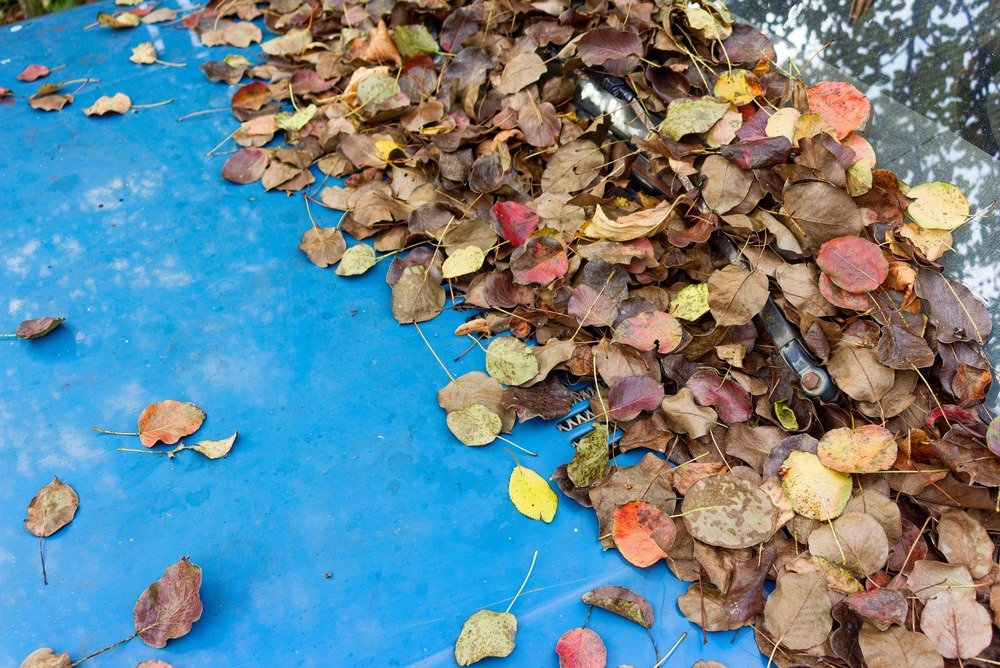
Fallen leaves trap moisture, acids, and tree sap against your car’s clear coat, creating the perfect conditions for etching, staining, and oxidation. Left overnight or longer, this combination can dull paint, leave permanent spots, and accelerate corrosion—especially on vehicles without a protective barrier like ceramic coating.
Autumn in Maryland brings crisp air, changing colors, and a blanket of leaves that seems to appear overnight. It’s beautiful to look at, but if those leaves land on your car and stay there, they can do more damage than most drivers realize. What looks like a harmless pile of foliage is actually a slow-moving threat to your vehicle’s finish.
At Apex Auto Performance, we see the aftermath of fall neglect every year. Drivers in Columbia, Ellicott City, Hanover, Laurel, Elkridge, and the surrounding areas bring in vehicles with etched clear coats, water spots baked into the paint, and dull patches that weren’t there back in September. The good news: understanding why leaves cause this damage makes it much easier to prevent.
Why Do Fallen Leaves Damage Car Paint?
Leaves aren’t just decorative debris sitting on your hood. As they decompose, they release tannins and other organic acids. Combine that with the moisture leaves trap against the surface of your car—whether from morning dew, rain, or humidity—and you get a mild acidic solution sitting directly on your paint for hours or days at a time.
This moisture-acid combination doesn’t evaporate quickly, because leaves act as a barrier that holds humidity close to the surface. The longer this contact lasts, the more time the acids have to interact with your clear coat, which is the thin, protective top layer of your paint system.
How Tree Sap and Pollen Compound the Problem
Fall isn’t just about leaves. Many Maryland trees continue dropping sap residue and fine pollen debris well into the season. When sap mixes with leaf tannins and sits in direct sunlight, it can bond to the clear coat and become increasingly difficult to remove without professional-grade correction. What starts as a sticky nuisance can turn into a stubborn, discolored patch that standard washing won’t fully lift.
Why Moisture Trapped Under Leaves Leads to Etching
Clear coat etching happens when a substance sits on paint long enough to alter its surface at a microscopic level. Acidic moisture from decomposing leaves is a common cause, along with hard water spots and bird droppings. Once etching occurs, no amount of washing or waxing will fully reverse it. At that point, the only real fix is paint correction, a process that levels the clear coat through controlled polishing to remove the damaged layer and restore clarity and gloss.
What Does Leaf Damage Actually Look Like on a Car?
Leaf-related paint damage tends to show up in a few recognizable ways:
- Dull, hazy patches where leaves sat for extended periods, often shaped like the leaf itself
- Dark staining left behind by tannins, particularly noticeable on lighter-colored vehicles
- Etched spots that remain visible even after washing and feel slightly rough to the touch
- Sticky residue from sap that attracts additional dirt and pollen, compounding the issue
If you’ve noticed any of these signs on your vehicle, the damage has likely already reached the clear coat layer, which means surface-level cleaning alone won’t resolve it.
How Can You Protect Your Car’s Paint During Fall?
The most effective fall car care strategy combines regular maintenance with the right protective barrier.
Wash and Dry Your Car Consistently
During peak leaf season, washing your vehicle more frequently than usual matters more than most drivers expect. Removing leaves, sap, and pollen before they have time to sit and decompose limits how much acidic exposure your paint experiences. Parking away from overhanging trees, when possible, also reduces how quickly debris accumulates.
Address Sap and Stains Quickly
The longer sap or tannin stains remain on your paint, the harder they become to remove without professional intervention. If a stain doesn’t lift with a standard wash, it’s worth having it assessed before it has a chance to etch into the clear coat.
Invest in Ceramic Coating for Long-Term Protection
Ceramic coating creates a durable, hydrophobic barrier that keeps acidic moisture, sap, and organic debris from bonding directly to your paint. Rather than sitting on bare clear coat, these contaminants sit on top of the ceramic layer, where they’re far easier to rinse away before they cause lasting harm. For drivers who want their vehicle to look sharp through every Maryland season without constant maintenance stress, ceramic coating is one of the most effective investments available.
Choose ceramic coating if you want a long-term, low-maintenance shield against seasonal debris, UV exposure, and environmental contaminants. If your paint has already sustained etching or staining, paint correction should come first, followed by ceramic coating to protect the newly restored surface.
When Paint Correction Becomes Necessary
If your vehicle already shows signs of etching, staining, or oxidation from a previous fall season, washing and waxing won’t restore that lost clarity. Paint correction uses a multi-stage polishing process to remove the compromised layer of clear coat and bring back the depth and shine your vehicle had when it was new. It’s a more involved service than a standard detail, but for vehicles with visible damage, it’s often the only way to fully reverse the effects of neglected debris.
Protect Your Paint Before Fall Takes Its Toll
Fallen leaves might seem harmless, but the acidic moisture and sap they trap against your vehicle can lead to lasting paint damage if ignored. Routine washing helps, but a proactive layer of protection makes the biggest difference.
Apex Auto Performance offers professional exterior detailing, paint correction, and ceramic coating services for drivers throughout Columbia, Ellicott City, Hanover, Laurel, Elkridge, and the surrounding Maryland communities. If your vehicle has already shown signs of fall-related paint damage, or you want to protect it before the season takes its toll, schedule a consultation with our team today.