Paint correction should always come before ceramic coating. Paint correction removes swirl marks, oxidation, and scratches from your vehicle’s clear coat, while ceramic coating seals and protects that surface. Applying a ceramic coating over damaged paint locks in imperfections rather than fixing them, so correction must happen first for lasting results.
If your car’s paint looks dull, swirled, or hazy under direct sunlight, you may be wondering whether a ceramic coating will fix the problem. It’s a common assumption, and an understandable one. Ceramic coatings are marketed heavily for their gloss-enhancing, protective qualities, and it’s easy to think of them as a one-step solution for tired paint.
But at Apex Auto Performance, we see this misconception often, and it’s one of the most important things to understand before investing in any paint protection service. Ceramic coating and paint correction solve two different problems. One restores your paint. The other protects it. Skipping the first step doesn’t just limit your results, it can make underlying damage permanent.
What Is Paint Correction, Exactly?
Paint correction is a multi-stage process that removes imperfections from your vehicle’s clear coat. This includes swirl marks, light scratches, water spots, oxidation, and the hazy “spiderwebbing” that builds up from years of washing, drying, and everyday exposure.
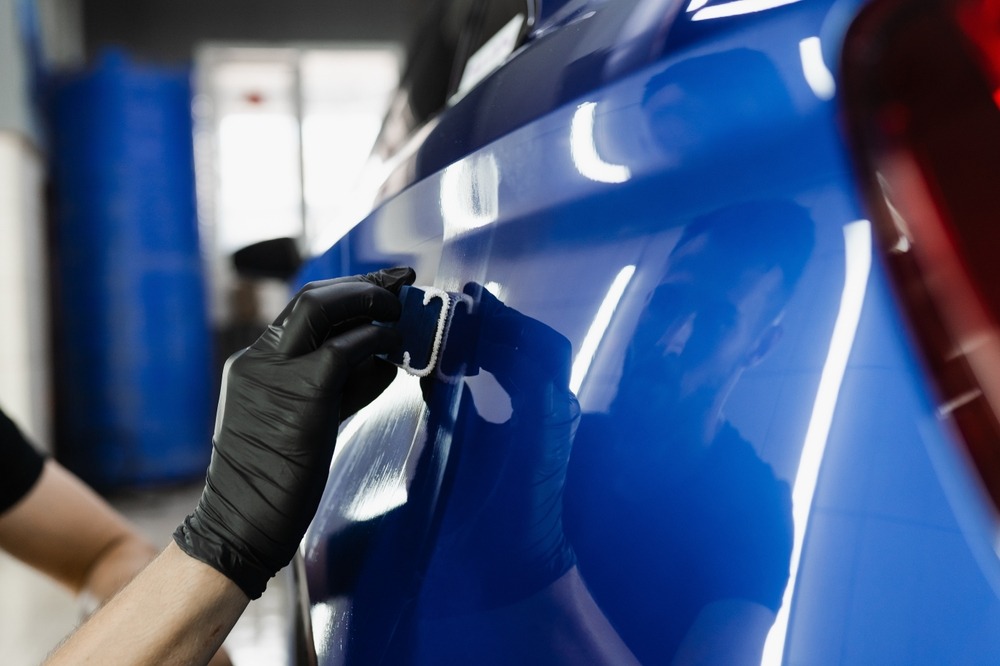
Using a combination of machine polishing, cutting compounds, and finishing polishes, a trained detailer levels out the clear coat to reveal the clean, reflective surface underneath. The goal isn’t to add anything to your paint. It’s to remove the layer of damage sitting on top of it.
This is a skill-intensive process. Too much correction in one area can thin the clear coat excessively, which is why experience matters. At Apex Auto Performance, our team has years of hands-on detailing expertise across domestic, exotic, and luxury vehicles, which means we know how to correct paint effectively without compromising the factory finish underneath.
Signs Your Car Needs Paint Correction
- Swirl marks that become visible in direct sunlight or under garage lighting
- A hazy or cloudy appearance across the hood, roof, or trunk
- Water spots that won’t buff out with a standard wash
- Fine scratches from improper washing or drying techniques
- Paint that looks dull even after a wash
If any of these sound familiar, correction should be the first service on your list, regardless of what protective coating you eventually choose.
What Does Ceramic Coating Actually Protect Against?
Ceramic coating is a liquid polymer applied by hand that bonds to your vehicle’s clear coat, forming a semi-permanent protective layer. Unlike wax or traditional sealants, which break down within weeks or months, a quality ceramic coating is designed to last for years with proper maintenance.
Once cured, the coating creates a hydrophobic surface that repels water, dirt, and grime, making your car easier to clean and keeping it looking refreshed for longer between washes. It also protects against UV-related fading, oxidation, and light chemical contaminants like bird droppings, tree sap, and road grime, all of which can etch into unprotected paint over time.
What ceramic coating does not do is remove existing damage. It’s a protective layer, not a restorative one. If your paint has swirl marks or oxidation underneath, the coating will seal that damage in place, making it far more difficult to correct later without removing the coating entirely.
Why the Order Matters More Than the Products Themselves
Think of your car’s clear coat like skin, and ceramic coating like sunscreen. Sunscreen protects healthy skin from future damage, but it won’t heal a sunburn you already have. Applying ceramic coating over swirled or oxidized paint works the same way: it protects the damage, not the paint underneath it.
This is why Apex Auto Performance always recommends paint correction before ceramic coating for any vehicle showing visible surface imperfections. Choose correction first if your car has noticeable swirls, scratches, or dullness. Choose coating on its own only if your paint is already in excellent condition, such as on a newer vehicle with minimal wear.
Skipping correction to save time or money often costs more in the long run. Removing a cured ceramic coating to re-correct paint underneath it is a far more involved process than simply correcting the paint first.
Does Every Car Need Both Services?
Not necessarily. A newer vehicle with minimal mileage and no visible paint defects may only need a thorough detail and ceramic coating to maintain its finish long-term. In this case, correction may be unnecessary, since there’s little to correct.
Older vehicles, daily drivers, or cars that have been through automatic washes frequently are much more likely to show swirl marks and oxidation. For these vehicles, correction isn’t optional if you want the ceramic coating to deliver the glossy, like-new look it’s known for.
A professional assessment is the most reliable way to know for sure. At Apex Auto Performance, we evaluate your paint’s condition before recommending a service plan, so you’re not paying for correction you don’t need or skipping correction your paint requires.
Getting the Right Service, In the Right Order
Paint correction and ceramic coating work best as a sequence, not a choice between one or the other. Correction restores what’s already there. Coating protects it moving forward. Reversing that order, or skipping correction altogether, limits what either service can achieve.
If you’re noticing swirl marks, dullness, or oxidation on your vehicle, or you’re simply not sure what condition your paint is in, Apex Auto Performance can help you figure out the right starting point. Our team has spent years helping Columbia, Ellicott City, Hanover, and Howard County drivers restore and protect their vehicles, and we’re factory trained in ceramic coating installation to make sure the final result lasts.
Schedule an appointment with Apex Auto Performance to get a professional assessment of your paint and a service plan built for your vehicle’s actual condition.