
As temperatures drop in Maryland and winter weather rolls in, your vehicle’s exterior faces more threats than at any other time of year. From road salt and sand to freezing rain, UV exposure, and harsh winds, winter can quickly dull your paint, create scratches, and accelerate corrosion.
If you care about keeping your vehicle looking sharp,especially if you’ve invested in custom work, upgraded paint, or regular detailing, you’ve probably considered either ceramic coating or traditional waxing. Both offer protection, but they perform very differently in cold weather. Learn how ceramic coating and waxing compare, and which one gives your vehicle the edge during winter.
Understanding the Basics: Waxing vs. Ceramic Coating
Before comparing winter performance, it’s important to understand what each option actually does.
What Waxing Does
Wax is applied to the surface of your paint to create a protective, glossy layer. It:
- Repels water
- Adds shine
- Protects against minor contaminants
- Helps prevent UV fading
But wax sits on top of your paint, which makes it vulnerable to weather conditions, strong chemicals, and repeated washes.
What Ceramic Coating Does
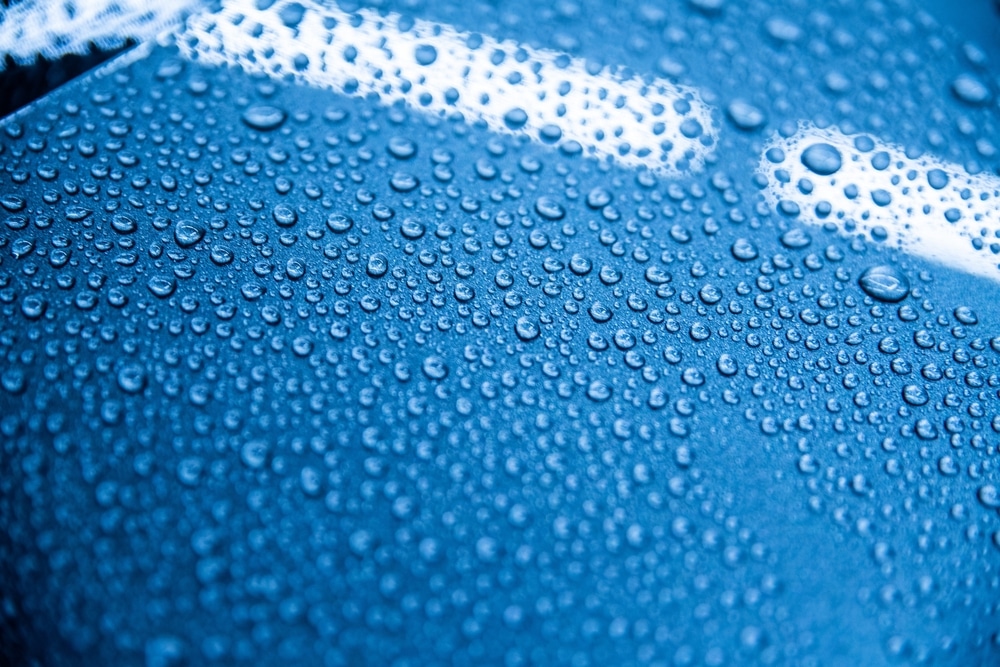
Ceramic coating is a liquid polymer that chemically bonds with your clear coat, creating a durable, long-lasting, hydrophobic shield. It:
- Repels water and ice
- Creates a slick, glossy finish
- Resists chemicals, salt, and oxidation
- Offers years of protection (not weeks)
- Protects against UV rays, etching, and minor scratches
Think of wax as a rain jacket and ceramic coating as armored outerwear; both protect, but one is far stronger.
So, Which Works Better in Cold Weather?
1. Salt and De-Icing Chemicals
Winter roads are coated with salt, brine, and other chemicals designed to melt ice,but they are extremely harsh on your vehicle’s paint.
- Wax: Offers very limited protection against salt. It wears away quickly, especially after driving in slush or through automatic washes.
- Ceramic Coating: Bonds to the paint and creates a barrier that prevents salt from clinging or eating into the surface. Contaminants rinse off easily because the coating is hydrophobic.
Winner: Ceramic Coating
2. Ice, Snow, and Moisture
Constant freeze-thaw cycles can trap moisture in small scratches or chips in your paint.
- Wax: Water beading is good, but only when the wax is fresh. As soon as it starts to break down, moisture can sit on the paint and worsen imperfections.
- Ceramic Coating: Repels water for years. Snow and ice slide off more easily, preventing buildup and making winter cleanup faster and safer.
Winner: Ceramic Coating
3. Durability in Low Temperatures
Cold weather exposes wax’s biggest weakness: its lifespan.
- Wax: Typically lasts 4–8 weeks, and cold temperatures can cause it to harden and crack. Once compromised, it offers almost no protection.
- Ceramic Coating: Designed to withstand extreme temperatures without degrading. It remains flexible, bonded, and protective throughout the entire winter season.
Winner: Ceramic Coating
4. Protection Against Road Debris
Sand, gravel, and slush act like sandpaper on your clear coat.
- Wax: Offers minimal resistance to abrasion. Road debris can easily wear through the layer.
- Ceramic Coating: Adds a harder surface tension, providing improved defense against micro-scratches and minor abrasions.
Winner: Ceramic Coating
5. Maintenance Requirements
Winter driving means more cleaning, more contaminants, and more time spent protecting your vehicle.
- Wax: Requires frequent reapplications to stay effective, especially after washes. Winter weather makes maintaining wax nearly impossible.
- Ceramic Coating: Makes winter maintenance easier. Dirt and salt wash off with less effort, and the coating doesn’t need to be reapplied for years.
Winner: Ceramic Coating
Is Wax Ever the Better Option for Winter?
Wax still has a place, mainly for drivers who:
- Want a temporary shine booster
- Don’t mind frequent reapplications
- Have an older vehicle and don’t want permanent protective treatments
But for true winter protection? Wax is a short-term solution with limited performance.
Protect Your Vehicle This Winter with Apex Auto Performance
Your vehicle deserves more than a quick wax before tackling Maryland’s winter roads. Ceramic coating offers unmatched protection, shine, and durability when cold weather is at its worst.
Whether you drive a daily commuter, a luxury car, or a showpiece, Apex Auto Performance can help you choose the right level of ceramic protection for your needs.Contact us today to schedule your ceramic coating appointment or learn more about your winter protection options.
